
Increased levels of blood lipids (fat) known as hyperlipidemia is one of the strongest risk factors for development of coronary artery disease (heart attacks and strokes). There are many different types of lipids which can be identified and measured in human blood. The clinically important types of lipids include total cholesterol, triglycerides, LDL (low density lipoproteins) and HDL (high density lipoproteins). The LDL cholesterol (“bad cholesterol”) is a more accurate predictor of coronary disease than total cholesterol as higher LDL cholesterol levels increase your risk of coronary disease. The HDL cholesterol (“good cholesterol”) actually lowers the risk of heart disease and stroke, and is considered a negative risk factor for these conditions. Similarly to LDL, elevated triglyceride levels are also associated with an increased risk of coronary disease and stroke. Numerous clinical studies showed that lowering LDL and triglyceride levels and increasing HDL levels can significantly decrease the risk of coronary artery disease.
Lipid levels can be lowered with a combination of diet, weight loss, exercise, and medications or appropriate food supplements. People with high cholesterol should make changes in their lifestyle by reducing total and saturated fat in the diet, reducing carbohydrate consumption, losing weight, performing aerobic exercise, and eating a diet rich in non-sweet fruits and vegetables.
The appropriate lipid-lowering drug or food supplement therapy can be started at any time after diagnosing hyperlipidemia. There are several medications available to help lower elevated levels of cholesterol and triglycerides.
These include:
Statins (lovastatin, pravastatin, simvastatin, fluvastatin, atorvastatin, and rosuvastatin) – are the most popular prescription drugs to control hyperlipidemia. They decrease the body’s production of cholesterol, reduce LDL and to a lesser degree triglyceride levels. However, taking statins is frequently associated with muscle pain and in rare cases severe muscle damage.
Ezetimibe (Zetia) the bile acid sequestrants (cholestyramine, colestipol, and colesevelam) – decreases the body’s ability to absorb cholesterol from the digestive tract and lowers LDL levels.
Nicotinic acid (Niacin) – is a vitamin that is used to lower triglycerides.
Fibrates (gemfibrozil, fenofibrate and fenofibric acid) also lower triglyceride and raise HDL cholesterol levels.
Consumption of lipid lowering drugs is frequently associated with side effects such as:
- Elevation of liver enzymes
- Muscle pain, cramps or even muscle damage
- Nausea, vomiting, bloating and diarrhea
- Facial flashing
- Allergic reactions
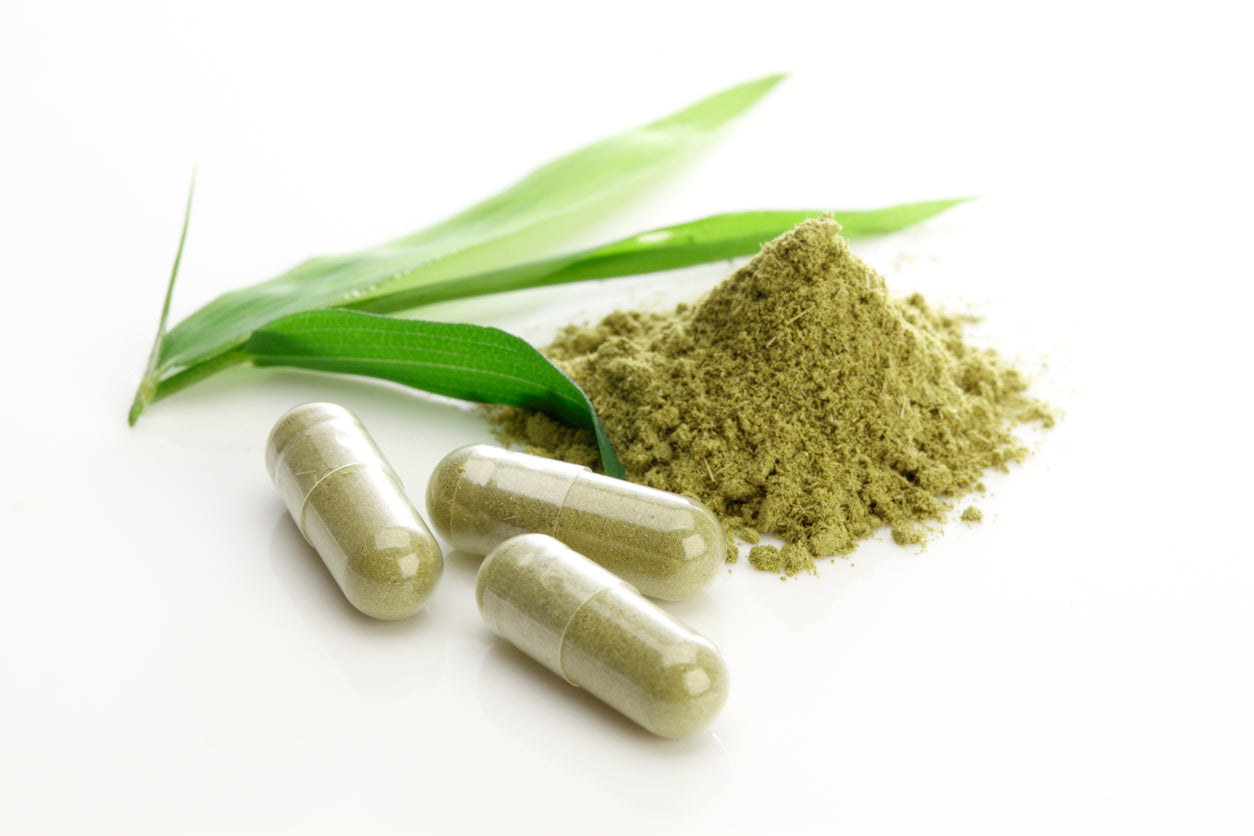
Nutritional lipid-lowering supplements and herbs are an efficient and less toxic alternative to the drugs.
The most popular natural products for hyperlipidemia include:
Fish oil contains the omega-3 fatty acids eicosapentaenoic acid (EPA), and docosahexaenoic acid (DHA), which reduce inflammation and decrease triglyceride levels.
Black currant seed oil contains high amounts of omega-6, omega-3 fatty acids and linoleic acid. In addition to its anti-inflammatory activity, black currant seed oil lowers LDL and to a lesser degree triglycerides.
Pantethine is an active form of pantothenic acid (vitamin B5) which lowers cholesterol, triglycerides, LDL and increases HDL production in a dose-dependent manner.
Chromium polynicotinate is a natural body constituent that regulates sugar/glucose transport in various cell types. Consumption of chromium polynicotinate results in lowering of LDL levels.
Policosanol is a mixture of fatty alcohols derived from the waxes of sugar cane which lowers LDL and increases HDL body synthesis.
Guggul is the resin of the Commiphora mukul tree that has been used in Ayurvedic medicine for more than 2000 years to treat a variety of ailments. Guggul possesses lipid lowering activity and reduces LDL levels.
Biotin, or vitamin H is necessary for the metabolism of fats and amino acids. It plays a role in the citric acid cycle, which is the process by which biochemical energy is generated during aerobic respiration. Taking biotin reduces LDL levels.
In general, natural products for lipid control work more slowly than drugs; most of their benefits are seen in 2-3 months. The treatment of hyperlipidemia is a lifelong process. Once you have an effective treatment plan and begin to see results, it is important to stick with the plan. Stopping treatment usually allows lipid levels to rise again.